

On this hike, I visited the Goseck Circle, a seven thousand year old solar observatory, and a castle turned Benedictine monastery turned palace. I saw some encouraging signs of spring and the best vending machine ever.
How to get there
Goseck is a village of 1000 residents and lies 10 kilometers northeast of Naumburg in Saxony-Anhalt.
The parking lot for the Goseck Circle solar observatory (Sonnenobservatorium) is on the left side of the road as you enter Goseck from the north. The path to the observatory starts across from the parking lot. From the Goseck Circle, you can walk south into the village and to the castle. Below the castle is a sunny hiking trail overlooking the Saale river that will lead you back to the Circle. This route is a gentle walk of about 5 km.
Here Comes the Sun
The Goseck Circle dates to 4900 B.C., the middle neolithic period. It lacks the massive stone structures of England’s Stonehenge, but is significantly older than Stonehenge. Stonehenge is believed to have been constructed between 3100 and 1600 B.C., at least two millennia later than the Goseck Circle. There are an estimated 120-150 Neolithic circular earthen enclosures throughout Germany, Austria, Czech Republic, Slovakia, Hungary, and Poland.
The Goseck Circle slept peacefully under a field until 1991 when an aerial archaeologist, Otto Braasch, flew over Saxony-Anhalt and saw crop circles. Not prematurely attributed to aliens, the site underwent a complete excavation by the University of Halle prehistoric archaeology department starting in 2002. The site yielded many important finds, including pottery shards that date to the Linear Pottery Culture in 4700 B.C., as well as the remains of ritual fires, human bones, and animal bones. The Goseck Circle was likely in use by neolithic humans for 2-3 centuries.
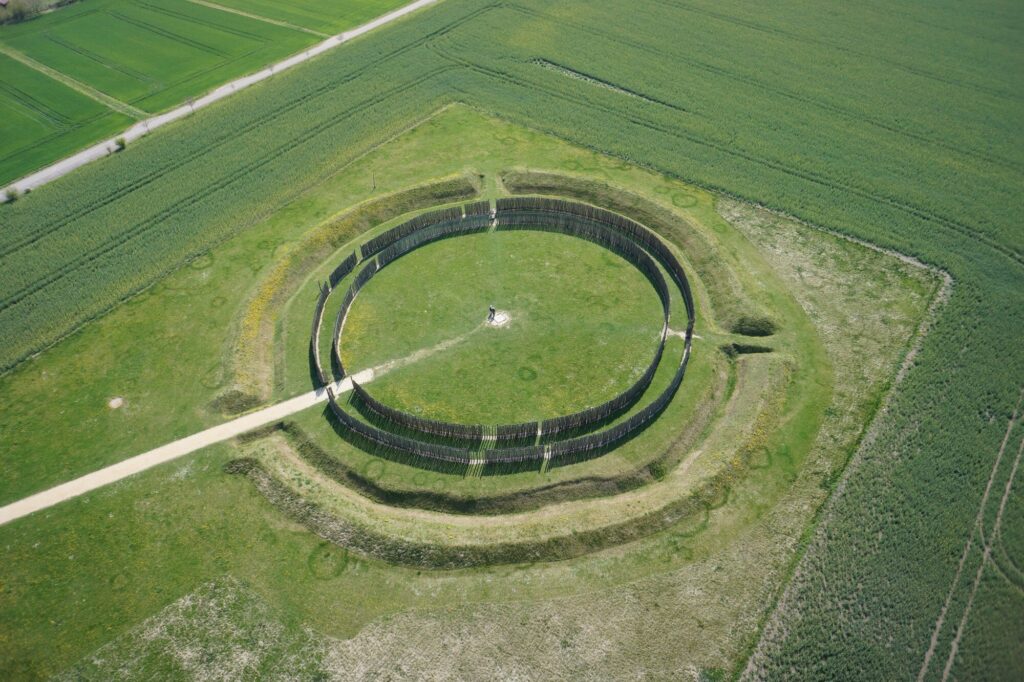
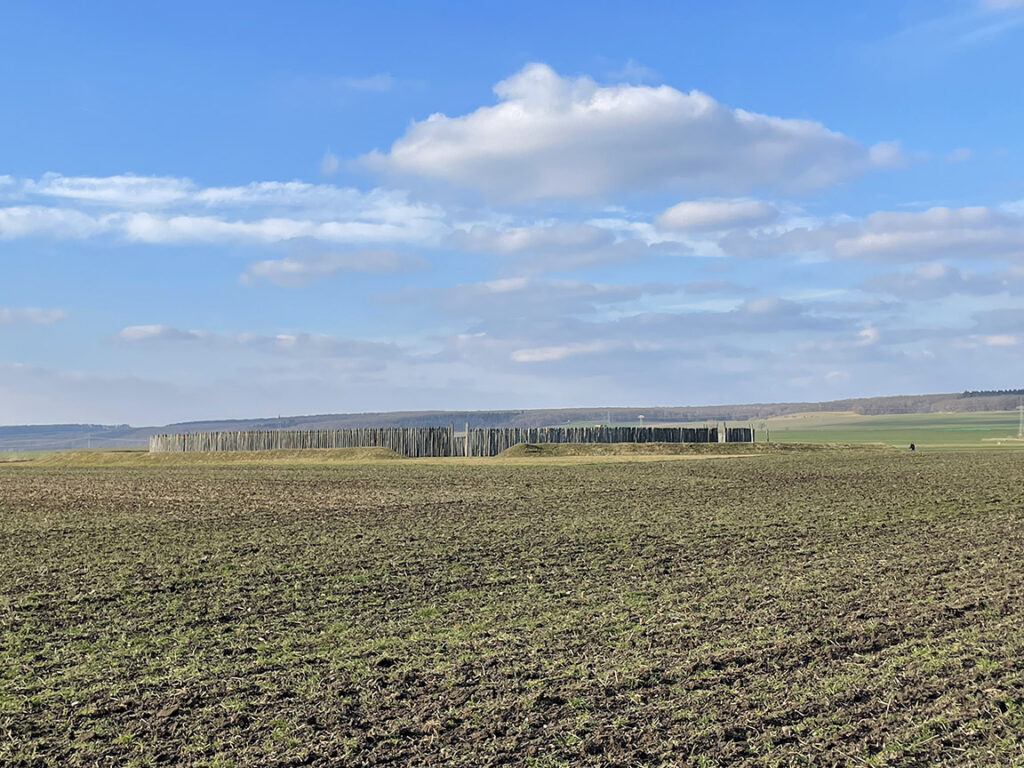
The image below shows an aerial view of the reconstructed Goseck Circle. It consists of two concentric wooden palisade fences, surrounded by a ditch. The ditch is 75 m (246 feet) across, and appears to have been built around the neolithic enclosure to delineate the space. Ditches are useful for identifying ancient inhabitants because a lot of archaeological debris can be excavated from the ditch. A ditch is certainly the most visible part of an enclosure from the air, especially since the palisades have long since rotted away. Read this for more information on neolithic ditches.
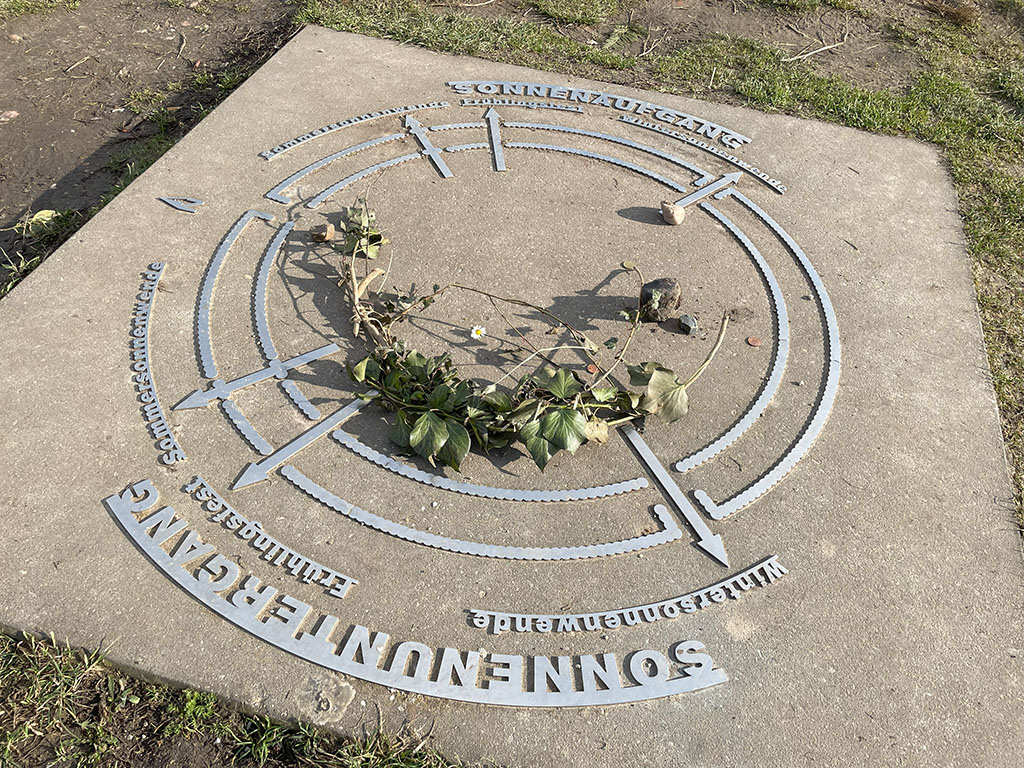
The Goseck Circle was probably used by the ancients as a solar calendar so that they knew when to plant their crops, as well as a ceremonial site. The holes in the palisade fences represent the days when sunrise (Sonnenaufgang) or sunset (Sonnenuntergang) showed through the holes in the fence on the winter solstice, spring festival (May 1), and the summer solstice. On the plaque in the center of the observatory, I found a couple of coins as well as a spray of ivy and a small daisy. My guess is that this is a pilgrimage site for pagans. Or for prehistoric archaeology fans.
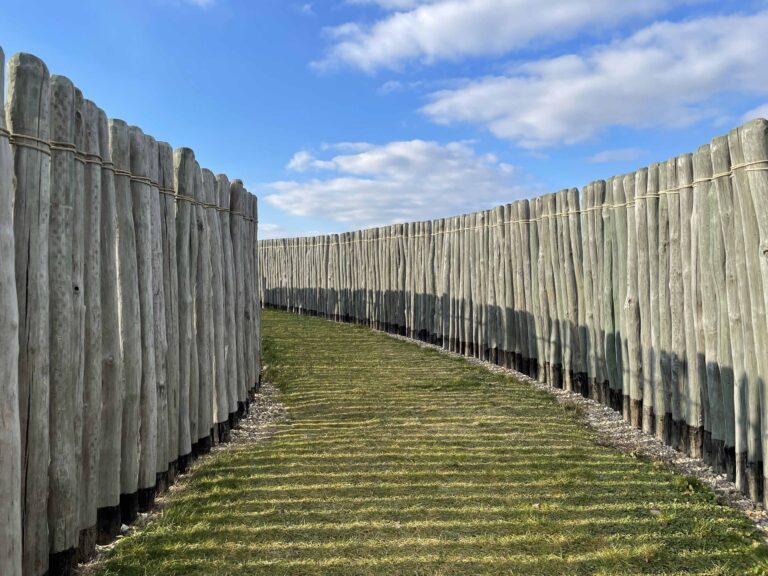
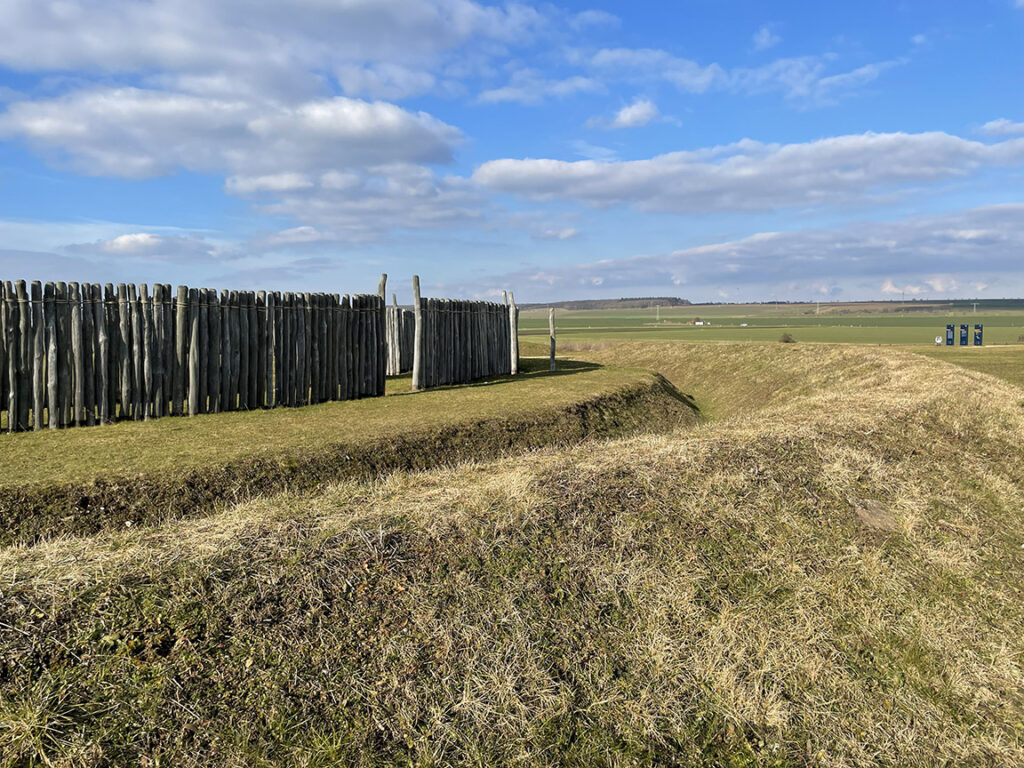
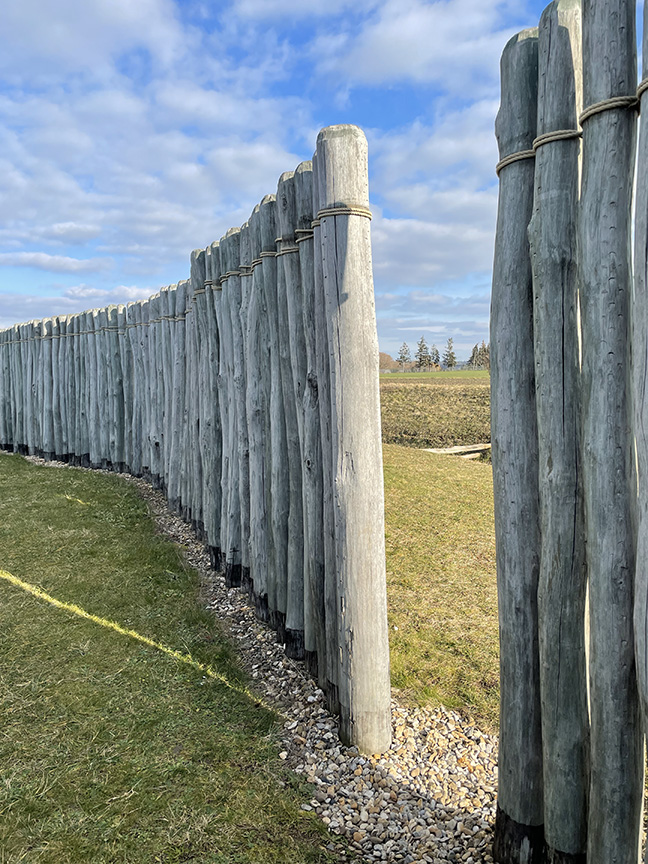
The site was eventually rebuilt with wooden palisades to resemble its appearance in 4900 B.C. Each palisade post was stripped of its bark with hand tools so that the fences look authentic. The Goseck Circle is open year-round to visitors, and includes several information boards in German and English that explain the site.
The Nebra Sky Disc
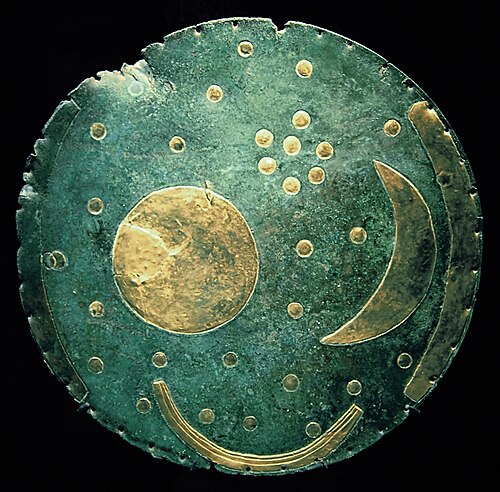
The Nebra Sky Disc from the early bronze age (1800-1600 B.C.) was found approximately 40 km (25 miles) northeast of Goseck. Made of copper with gold inlays, it shows the sun, moon, and stars with a clear depiction of the Pleiades constellation. For more information on it, you can visit the Arche Nebra interpretive center, or view the original at the State Museum of Prehistory in Halle.
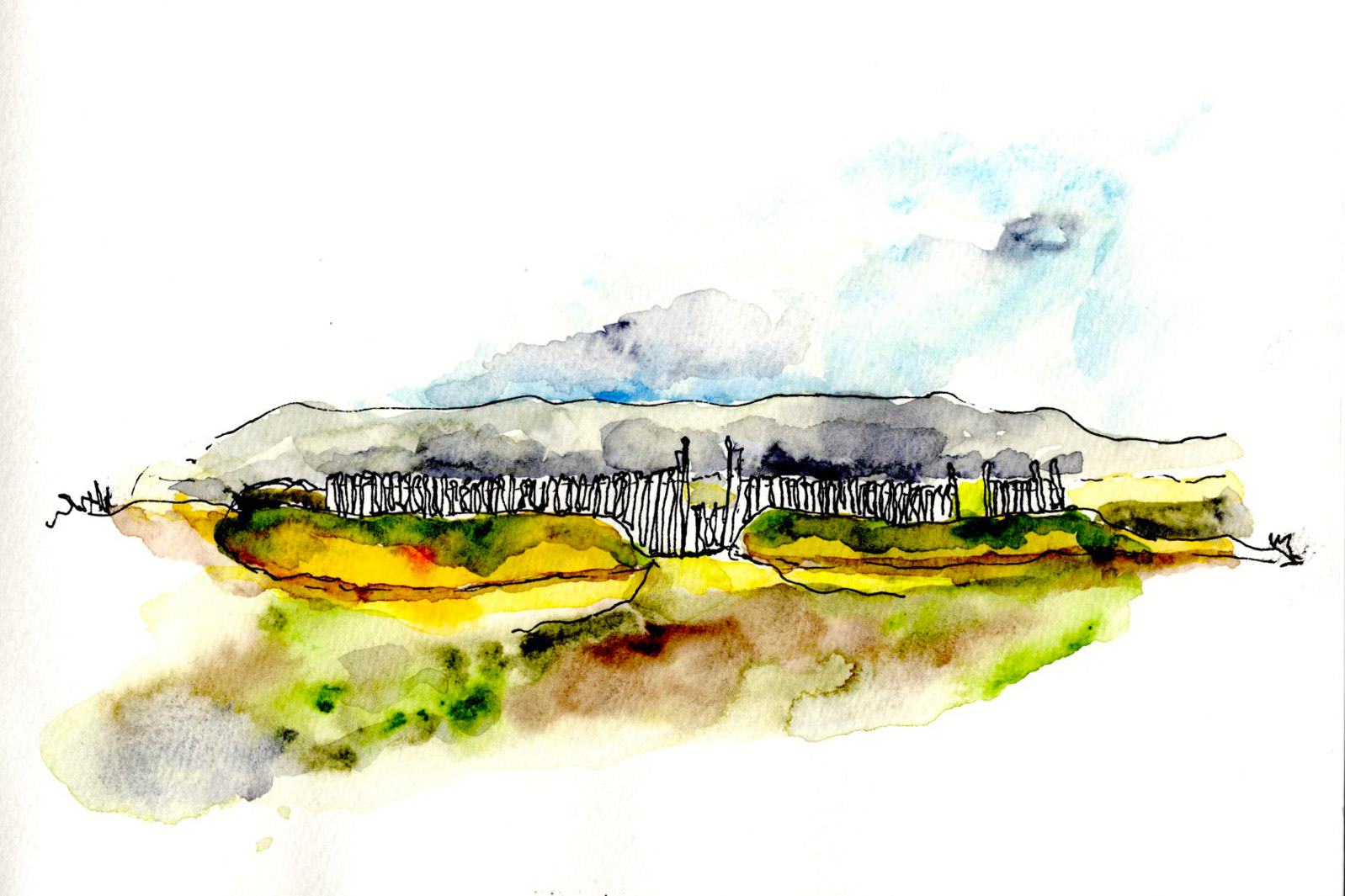
Sketching the Goseck Circle
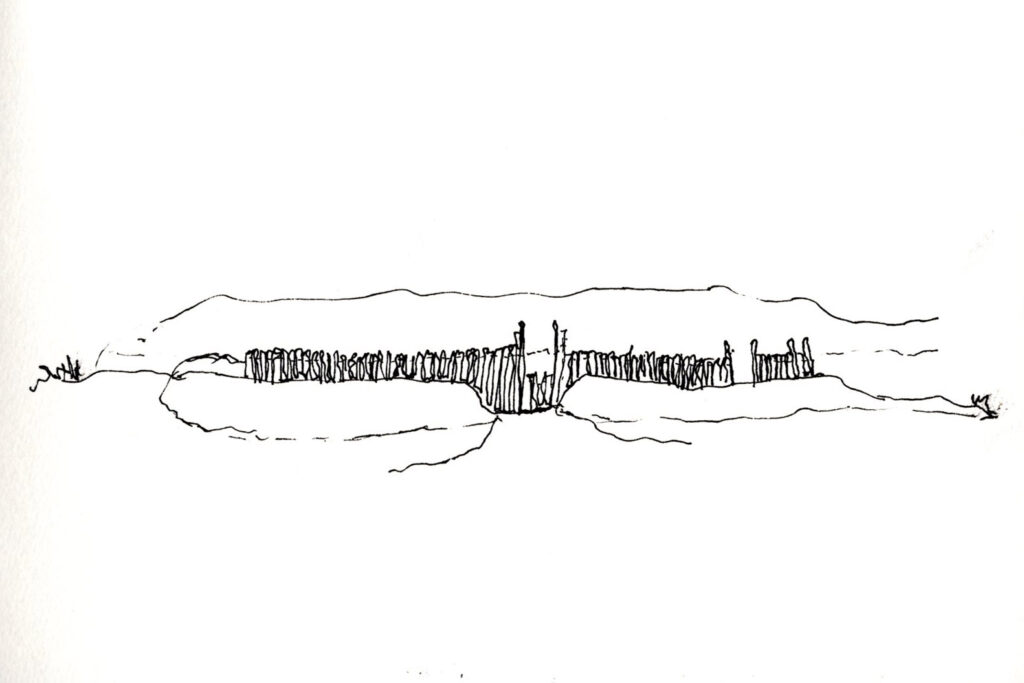
It’s not often that you get to sketch a Neolithic structure, or even a modern re-creation of one. I did a quick ink sketch on site, then added watercolor when I was home.
Castle Goseck becomes Palace Goseck
And if you thought being the location of one of the most important neolithic discoveries of the 20th century was enough glamour for a tiny village, Goseck also has a castle.
The castle was first mentioned in 880 A.D. and referred to as “Gozzesburg.” The original castle was demolished in 1041 by the sons of the Palatine Count Frederik I and reconstructed as a Benedictine monastery. As a result of the Reformation, the monastery was secularized in 1540 and became a private manor. From then, it was referred to as a palace (Schloss) not a castle (Burg) as was the style of the day.
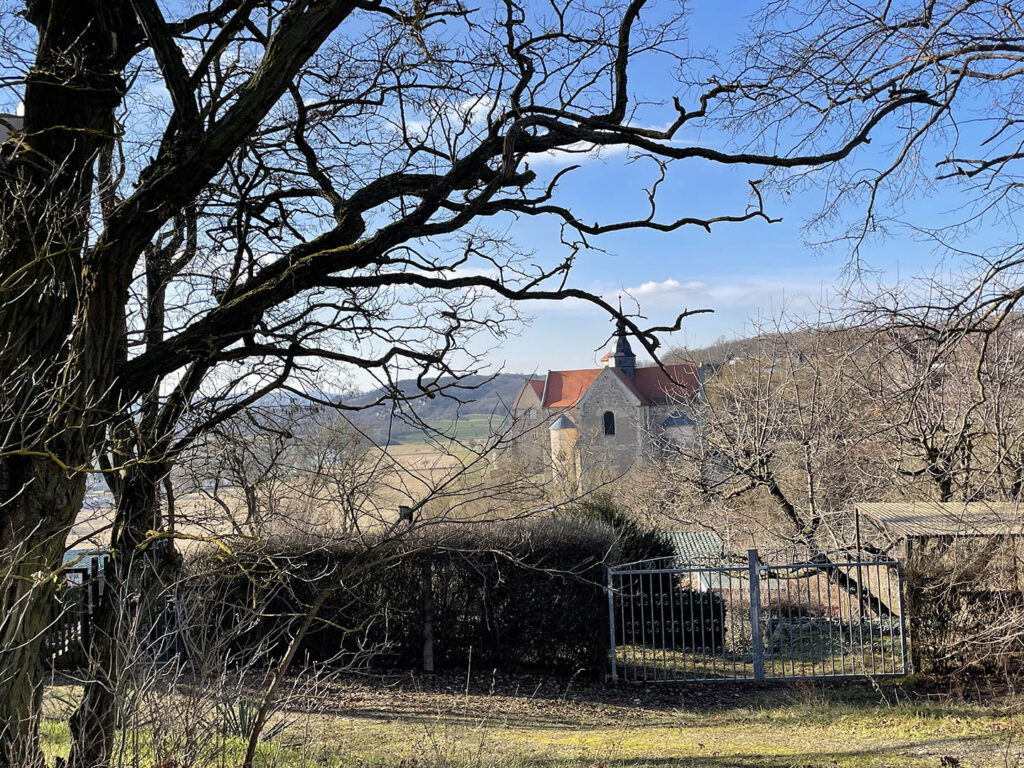
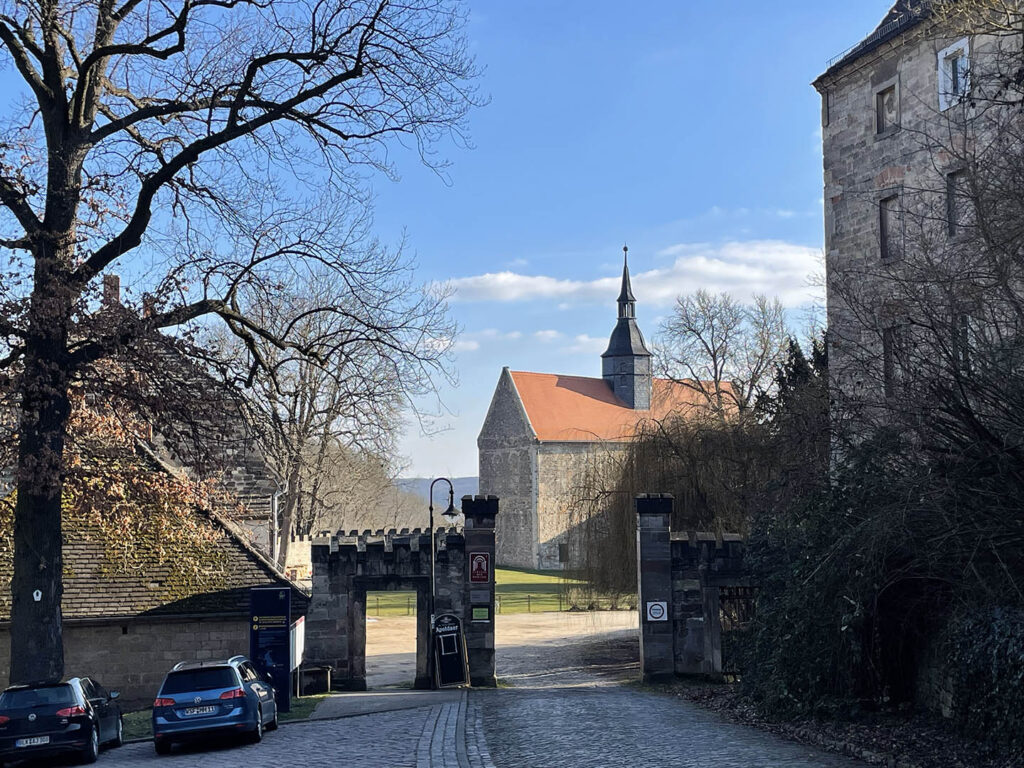
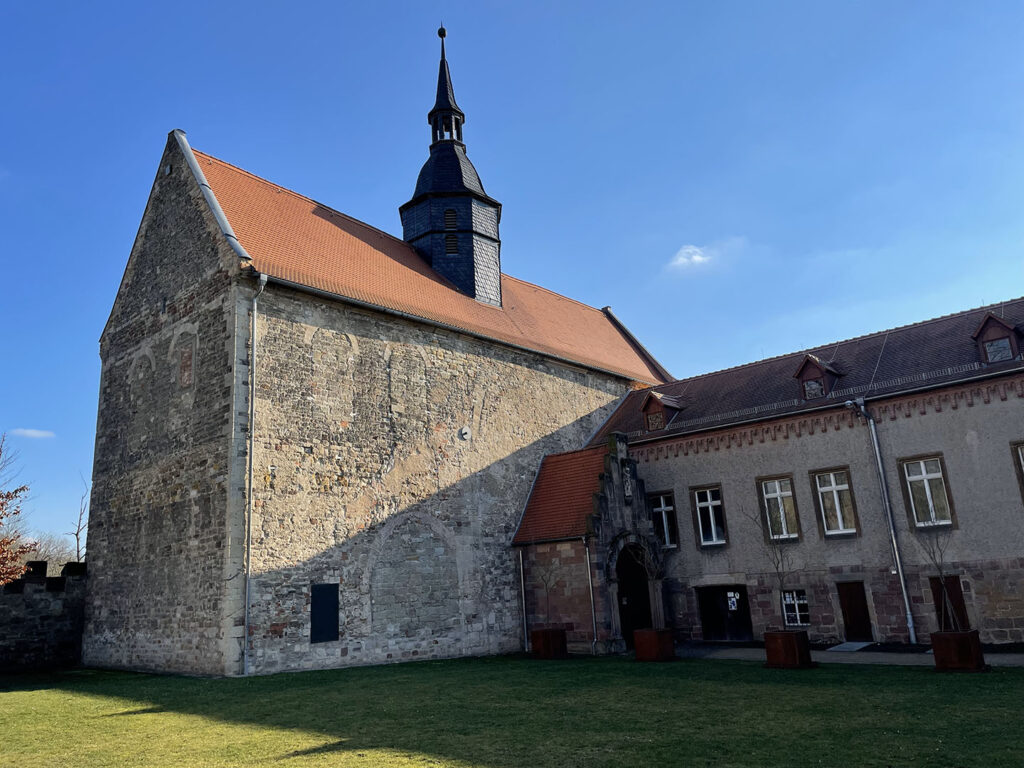
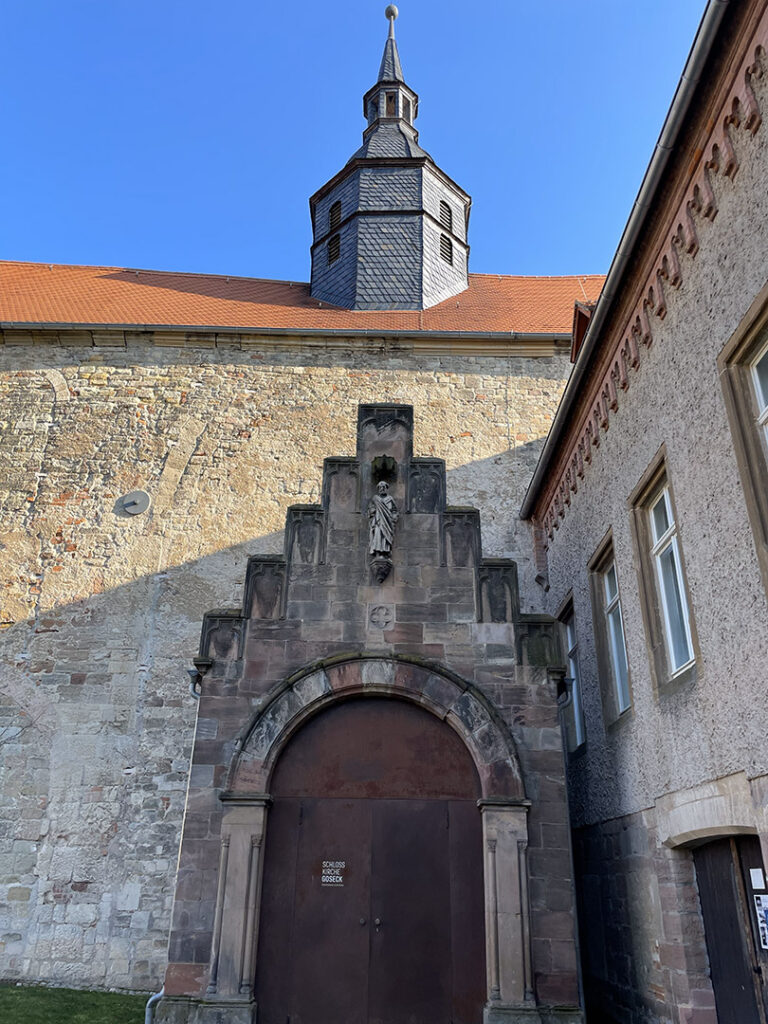
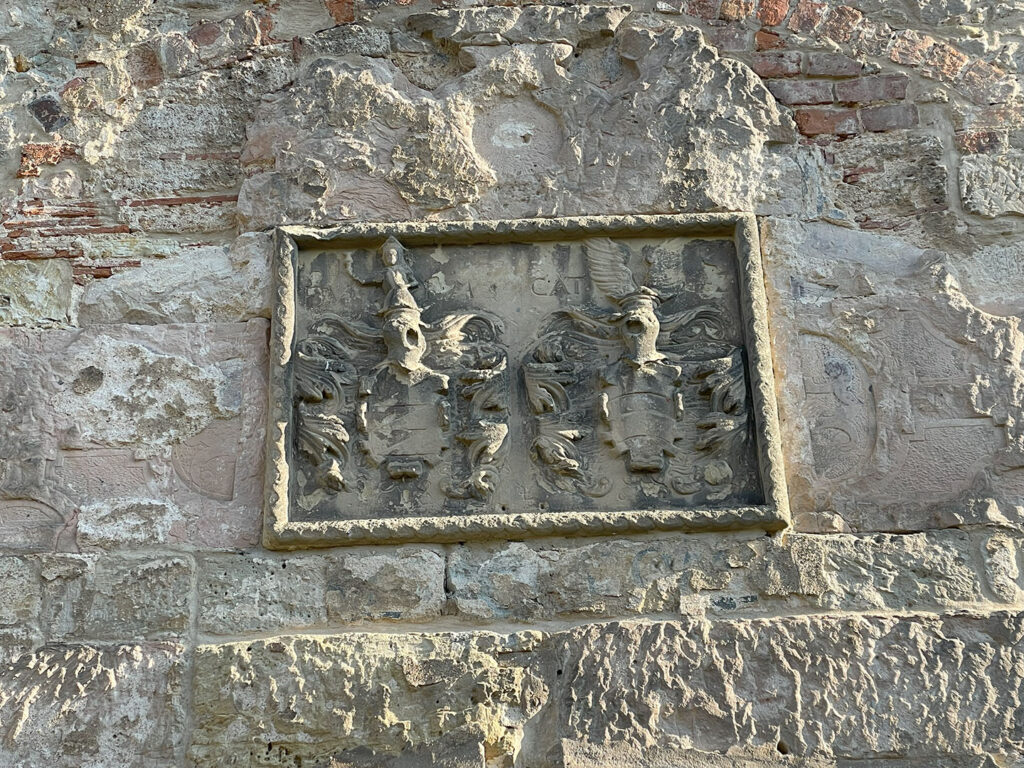
Some parts of the original church, including the transept and the choir, remain. The nave was converted into the Renaissance palace that stands today. The palace is currently under the management of an association that is dedicated to building a European music and cultural center here. It’s possible to stay overnight in a guest room and eat at a tavern on site. There is also an archaeological museum in the palace. Unfortunately it was closed for the winter when I was there.
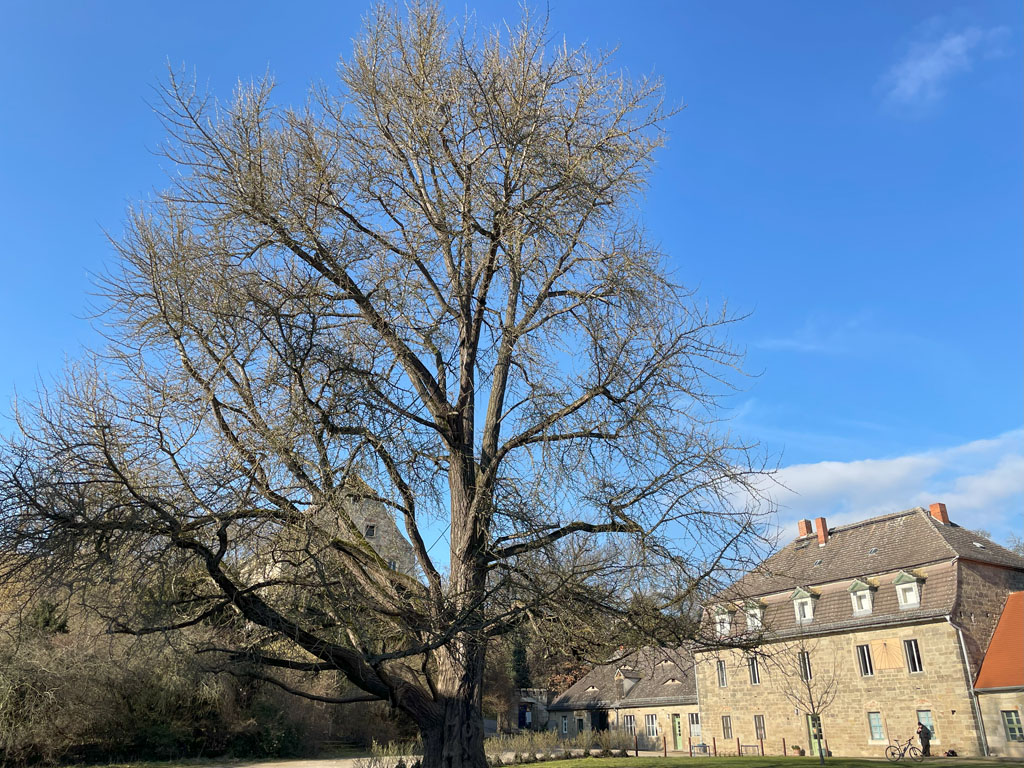
If you’re a tree fan, there is a massive, nearly 200-year old ginkgo tree in the palace courtyard. Ginkgo trees were brought to Europe from Asia in the 18th century. The first ginkgo in Europe was planted in the Netherlands by the University of Utrecht in 1730.
Sketching Goseck Palace
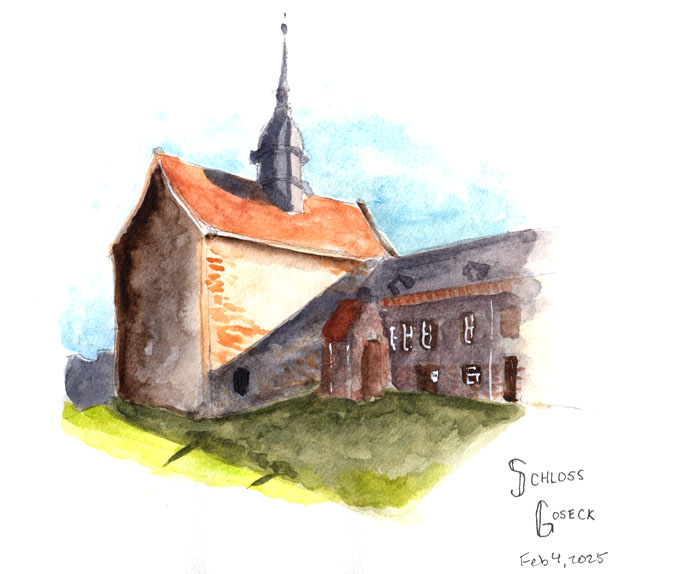
I did a quick watercolor sketch of Goseck Palace from a photo after the hike. The style is a bit different than my normal crazy ink and wash, but it’s good to try out new styles and learn new things.
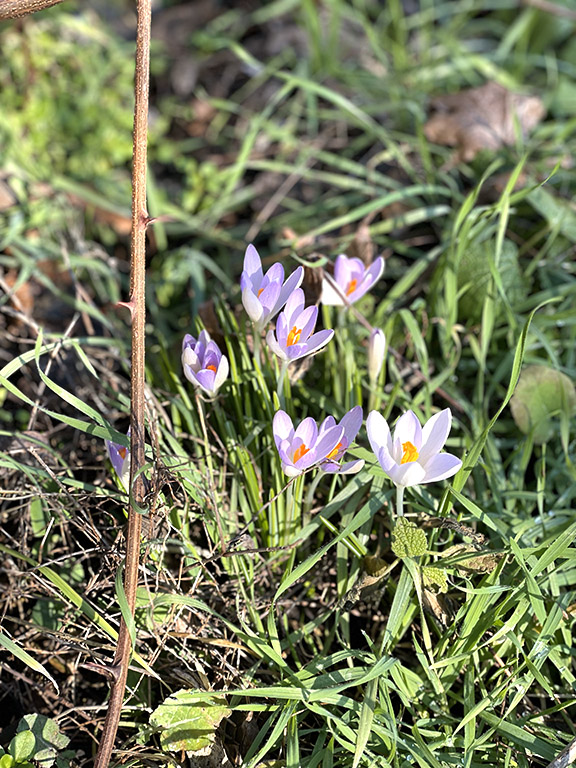
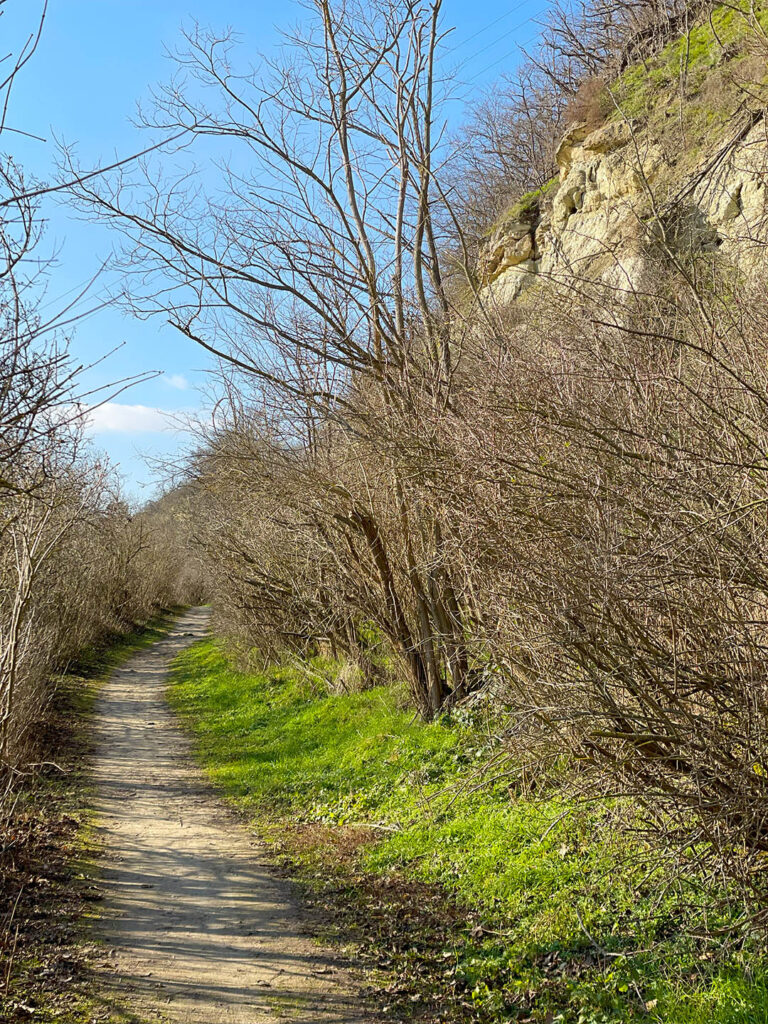
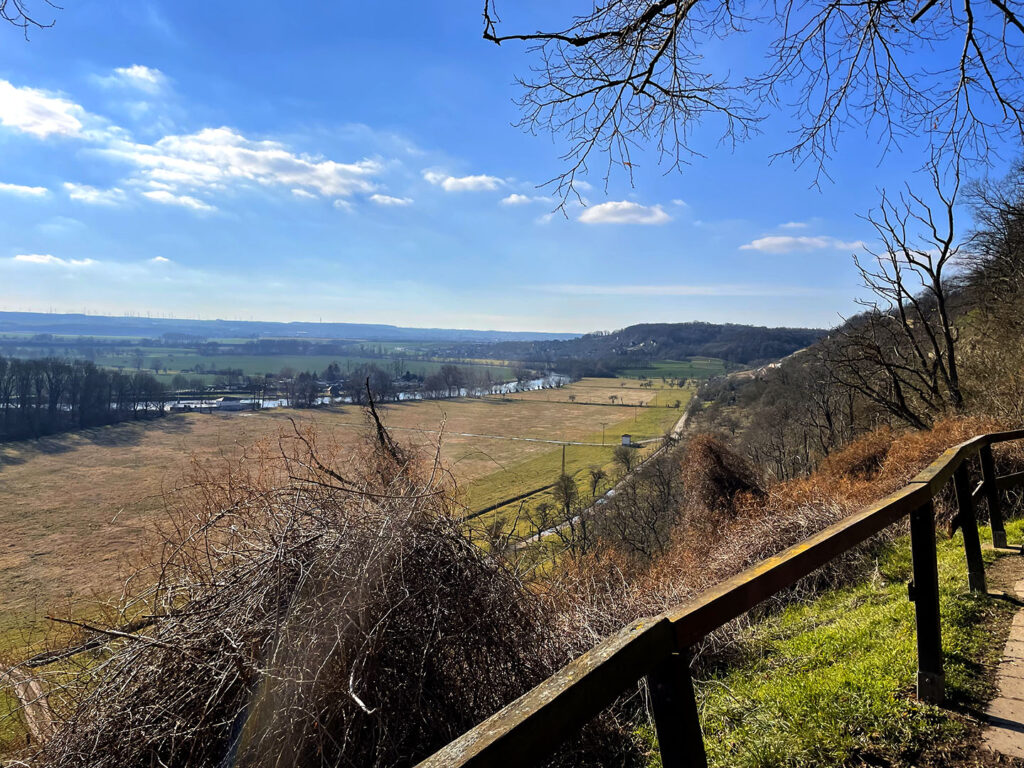
Hiking in the Sunshine and Signs of Spring
At this time of year, if the sun is shining, you need to take advantage of that extra dose of vitamin D. I’m secretly happy that the Castle Goseck museum was closed so that I could go outside and wander.
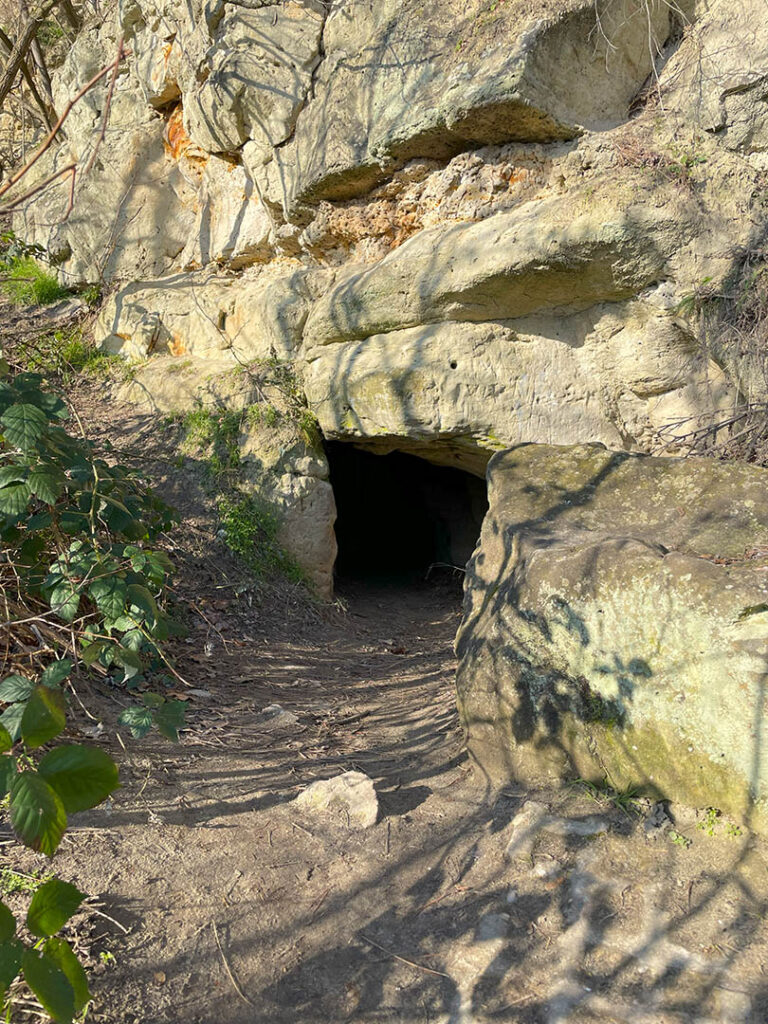
Here are some photos from a trail along the limestone cliffs above the Saale River. The so-called “bear den” may indeed have once held a large hibernating ball of fur. Or not. These days it serves as a hibernation roost for bats (so, small hibernating balls of fur). Their preferred roost, the palace tower, is under renovation so this den was chosen by them for that purpose. I did not disturb their slumber. Is it a bat cave then, not a bear den? Yes, it’s a bat cave, Robin.
Prehistoric town, modern conveniences
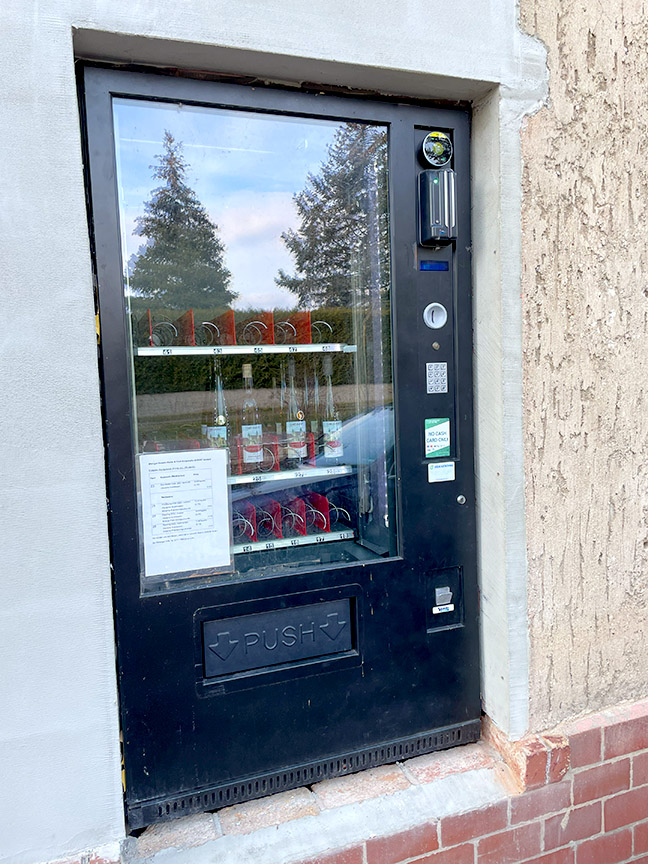
If you’re still not convinced that Goseck is worth a visit, I leave you with this, a vending machine that dispenses full bottles of local wine for 12 Euros each. You’ll find it on Burgstrasse, the main drag into the center of the village.
There are other things to see in Goseck that I didn’t have time to do. The Dechantenberg is a stone wall-terraced vineyard on the sun-drenched limestone hills above the Saale valley. Wine grapes were planted here in 1080 by Benedictine monks. The steep 40-45 degree angle of this vineyard made terracing necessary so the monks didn’t tumble down the hill. The Kloster Pforta winery (a former convent) produces delicious Riesling and Pinot Blanc wines from this vineyard. I once undertook a long hike above the vineyards of the Saale valley and ended up fortifying myself at a restaurant along the river, with a delicious plate of trout and a glass of Kloster Pforta Pinot Blanc. The hike, and the wine, have a special place in my memory.
I hope you’ve enjoyed Goseck as much as I did. I woke up early on a Sunday morning, not knowing what I was going to do that day, and came across this wonderful place on my internet wanderings.

Thanks for this great description, sketches and pictures, I will definitely visit!
I’m glad to hear that you enjoyed the site!